 FR
FR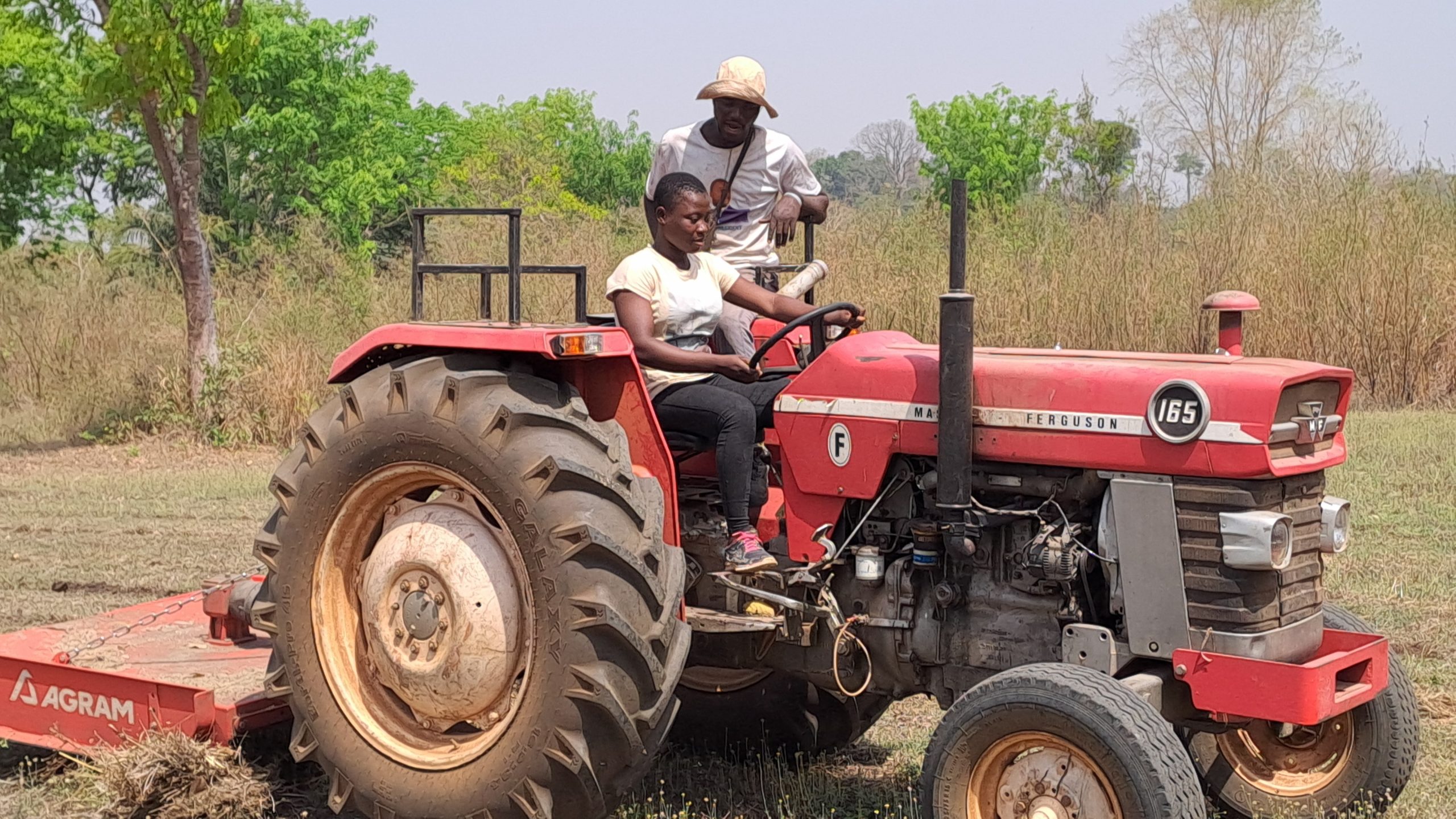
OUR ACTIONS
Building the future by creating autonomy
ECHOPPE Togo
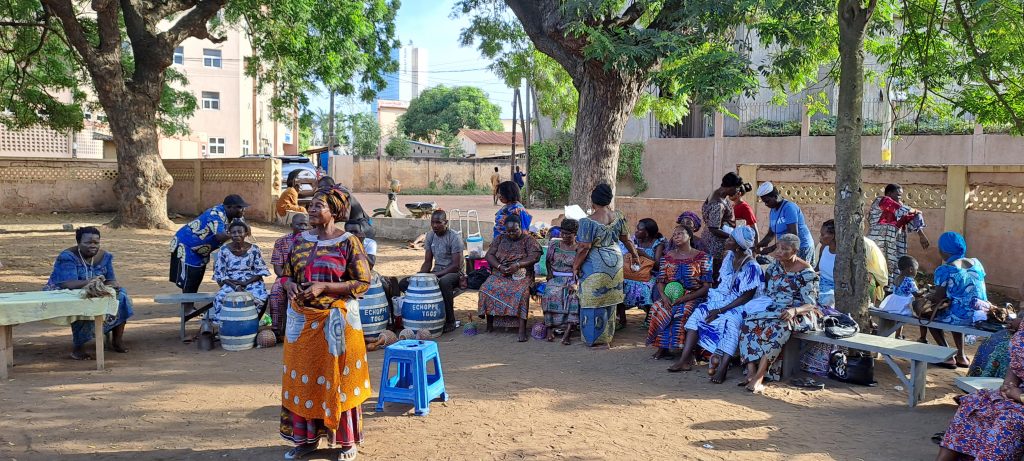
ECHOPPE-Togo became an independant institution of micro-finance in 2010 after growing immensely with the help of the European Union in providing extra credit opportunities for women in rural areas and small farmers. This, followed by a Togolese government program of FNFI (Fonds National pour la Finance Inclusive) providing important loans to micro-finance institutions increased the potential of ECHOPPE-Togo to reach out to more persons. During this program, over 90,000 new persons were given first loans.
Planète Paysans (Planet Farmers)
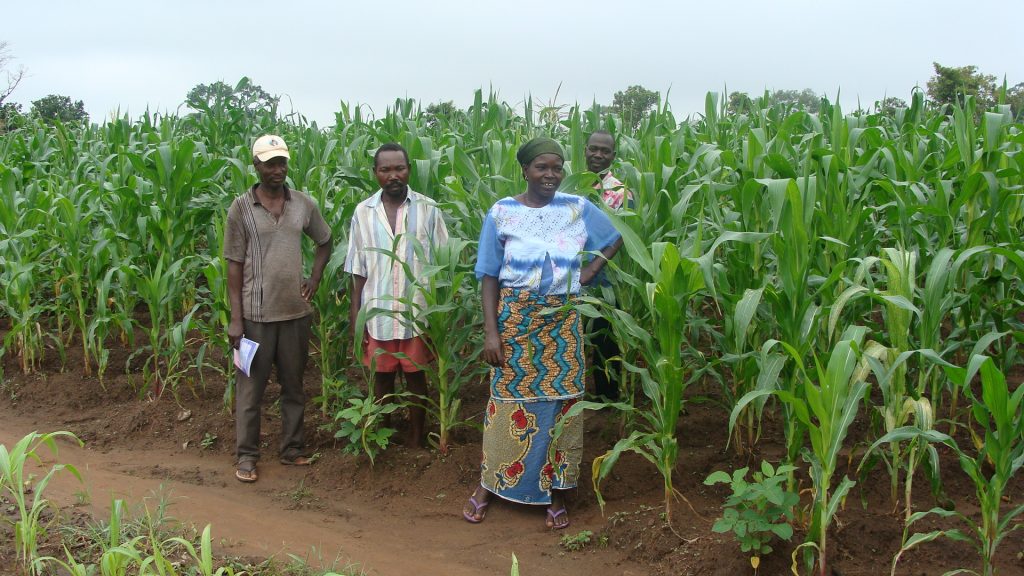
Planet Farmers began in 2016 as an independant enterprise in order to create leadership via entrepreneurship in a way of creating an institution aimed at longterm autonomy. The aim of Planet Farmers was at first to create the best conditions for linking commercial activities of small farmers (production) to the women in the city who would sell the goods. However, once in the rural area, ECHOPPE recognized the important effort needed to improve farm conditions in order to simply maintain farmers and create conditions for long term food autonomy. In trying reduce the complication of penbility for small farmers, ECHOPPE and Planet Paysans had to look further to create programs to address the real needs facing farmers. Access to mechanization (tractors and small machinery) , Reforestation ( production of charcoal from trees had become a cash crop these past twenty years) and beekeeping (to increase awareness of the value of trees and provide a valuable possibility for income to small farmers), and providing alternatives to reduce the use of chemical pesticides but increasing farm production are actions that have developed from this first phase of actions.
Mechanization
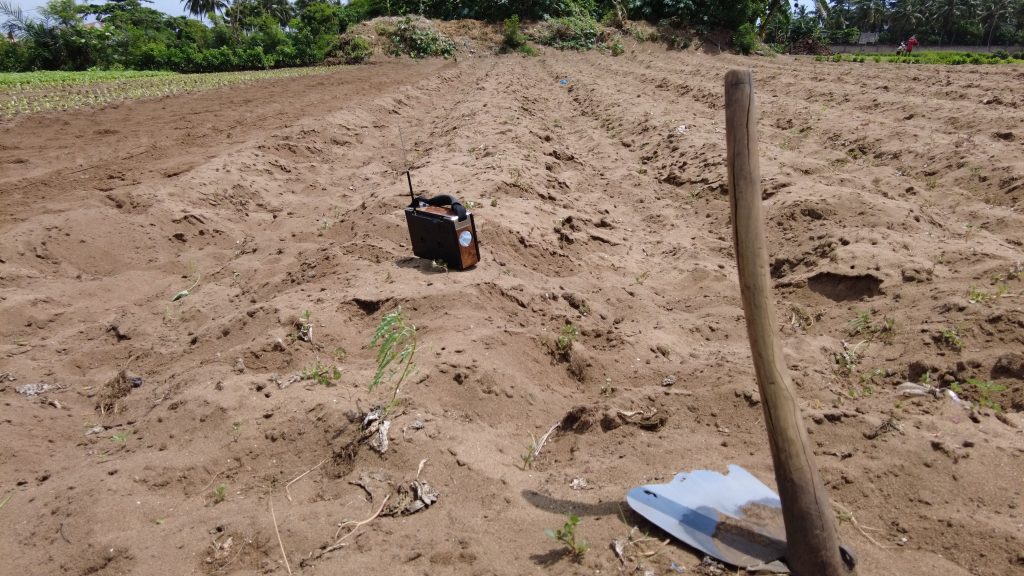
The arduous and exhausting work of working with a « daba » or a large short-sleeved hoe (pictured here) is destroying rural Africa. Young people leave the countryside as working in the city seems much easier. It’s a way out of the hard work that pays so little in rural Africa.
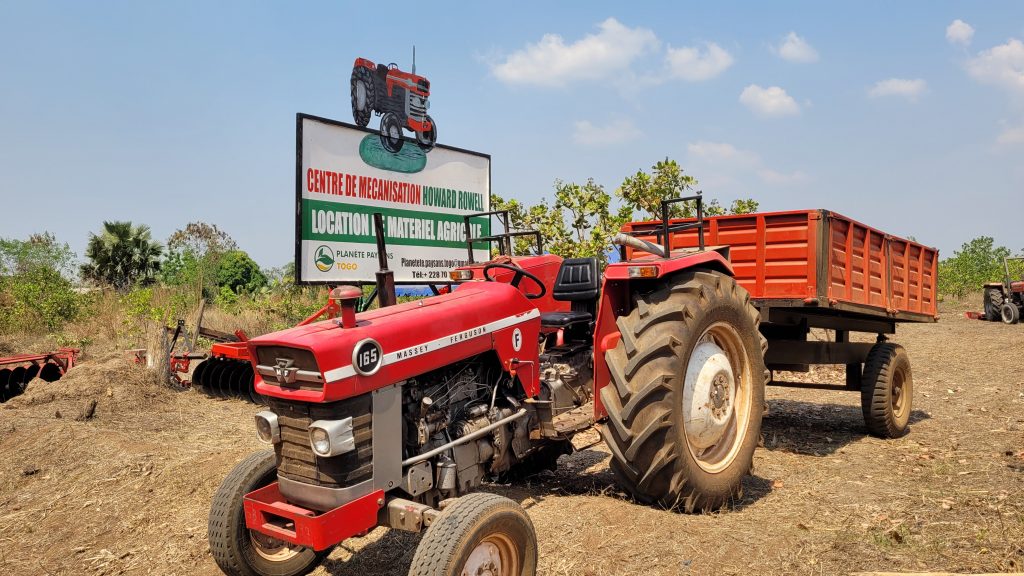
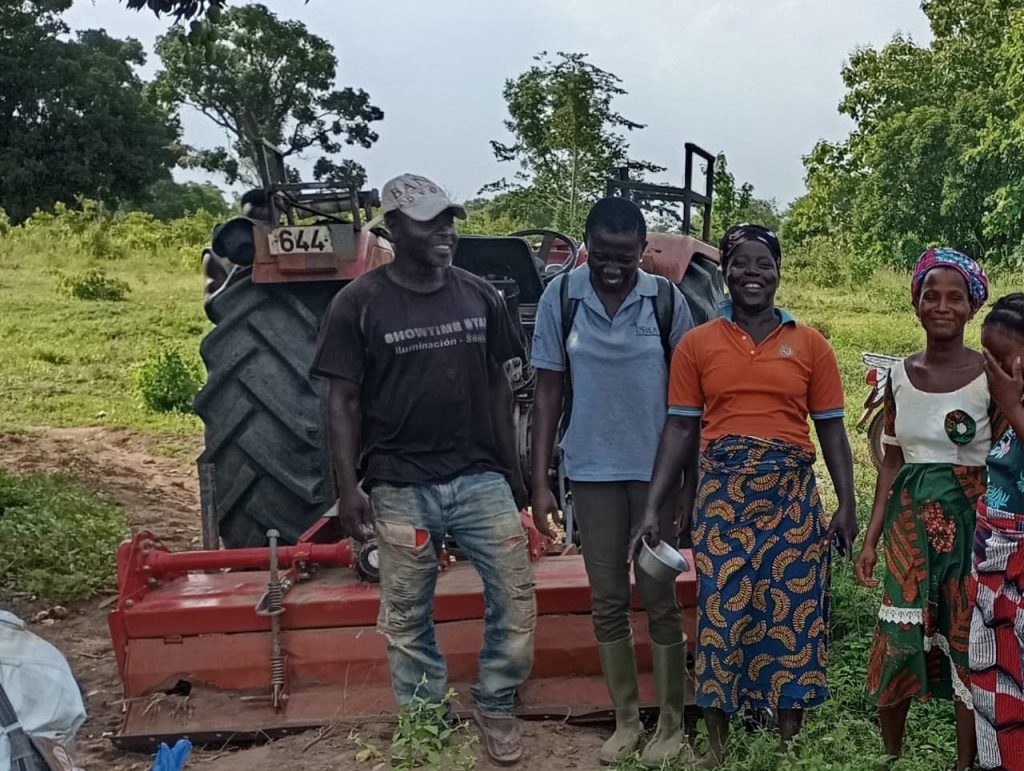
ECHOPPE created and supports a local enterprise called « Planète Paysans » (or Planet Farmers) which introduces simple mechanization and tractors in rural areas to give a more encouraging look at rural life.
The women first asked for the tractors. Forty years ago, tractors had been introduced, but most were seen along the roads – broken down without spare parts. Today, local mechanics can find spare parts to repair most simple diesel engine failures (without electronics!). So ECHOPPE imported two used tractors and machines to help with field work. Planète Paysans is doing demonstration work with farmers to show how some equipment works better than others for soil conservation. It then leases its services to small farmers to cultivate the lands. In this way, it also tries to reduce the dependence of farmers on the tradition of cutting and burning fields. This practice that often burns, not only fields, but buildings or forests. Providing mechanization is also with the hope of reducing the use of harmful pesticides that are often overdosed on the land and used without sufficient protections (and often by young children on holiday from school!)
Reforestation and Agroforestry
In a film made to help the villagers, Kossi says: “When I was young, this area was covered with trees. Today, the sun has become warmer and crops have decreased.” Kossi sells herbicides along the road to help farmers whereas 30 years ago even fertilizers were unknown and unneeded in the region.
Today, due to soil poor soil fertility, reduced rainfall and a difficult economic situation for farmers in Togo, the production and sale of charcoal, made by cutting trees and pre-burning them, is a cash crop.
The disappearance of these trees from the countryside over the past 30 years has changed the climate and the way of life of small farmers.
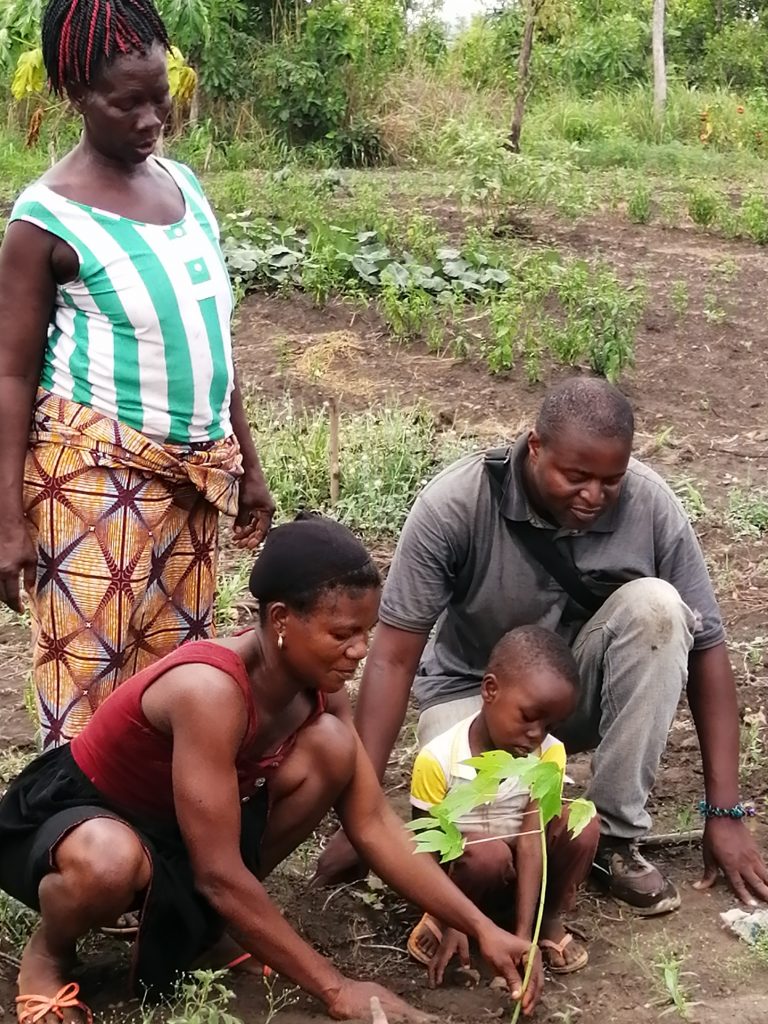
ECHOPPE, through the work of “Planète Paysans” supports the creation of a program of “agro-forestry” and reforestation. Agroforestry is accomplished by working with farmers to encourage tree planting around and in their fields. These trees are often from the family of nitrigen producing trees and fertilize the soil as well as provide fodder for animals and humus for the soils. Small farmers learn the value of trees, not only as a source of energy, but also as a tool for improving soils and for pollination to make honey.
A difficulty in planting trees throughout Africa is that most small farmers do not own the land they work on. A planted tree belongs to the one who planted the tree. Owners,without understanding the true value of the trees, often prefer that their “tenants” clear forests to make the land useful and even threaten them if they plant trees .
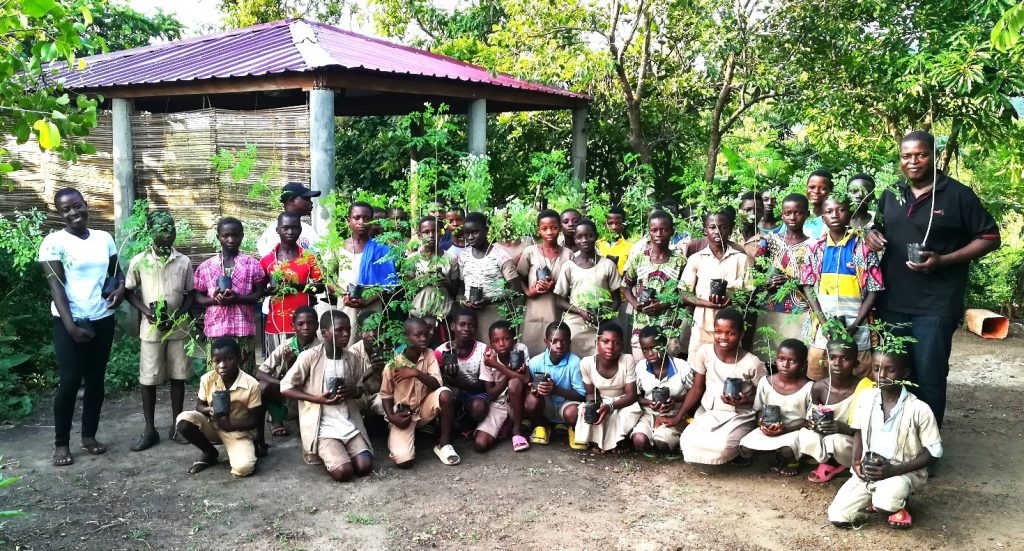
Edmond and Nikabu are also working with schools and villages to teach people the value of trees and build school ‘nurseries’ locally so that learning is also a practical exercise. The use of ECHOPPE’s films to promote education is essential in helping people understand the importance of trees. In 2025, nearly 10,000 trees were planted and cared for under this one program that also tracks to ensure the trees continue to grow.
Beekeeping
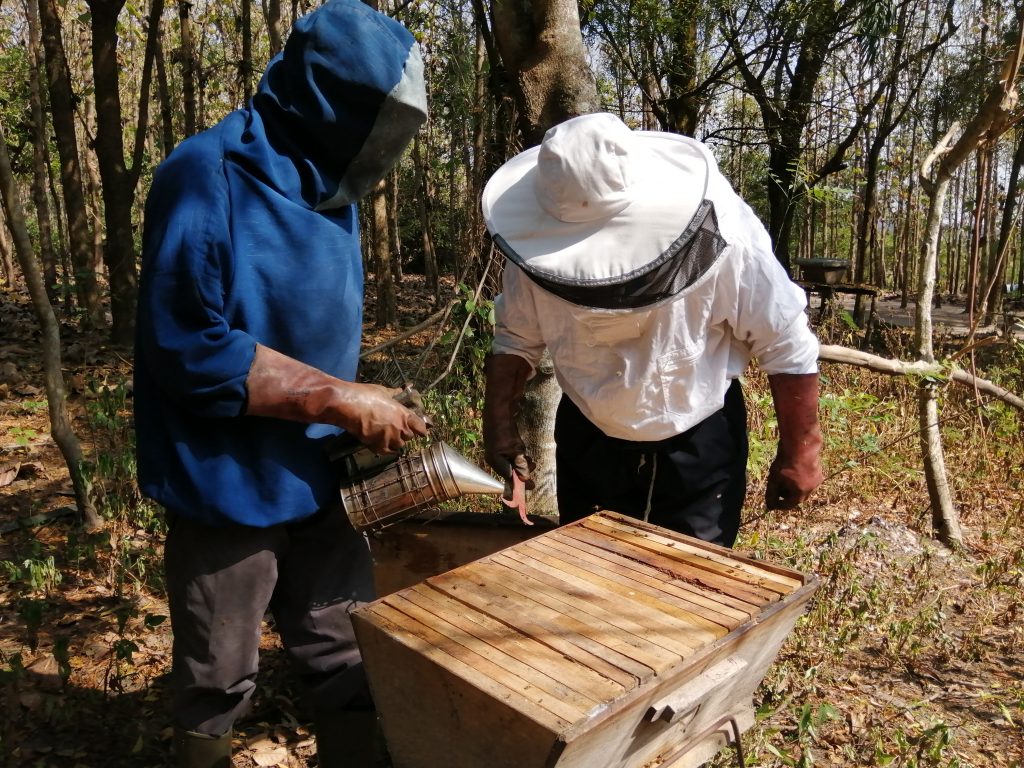
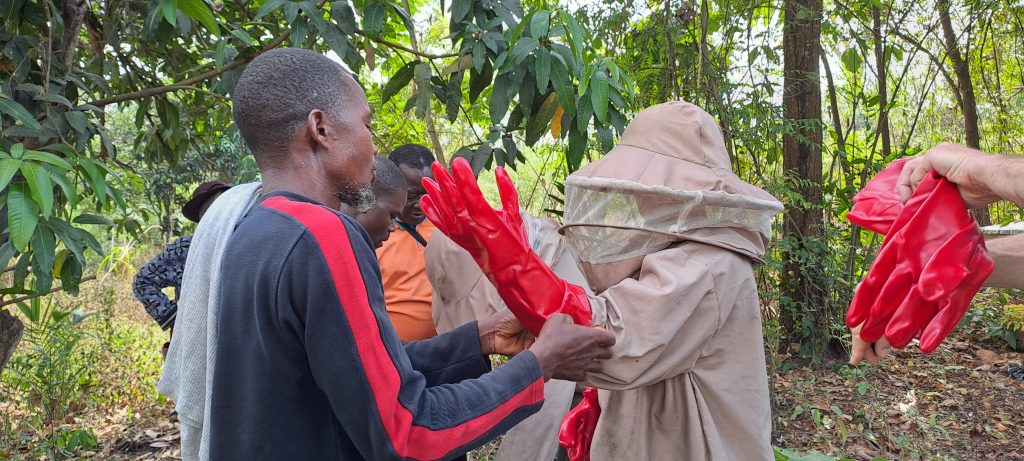
Honey is an important and highly valued medicinal treatment in Africa . During the dry season, bees migrate to the high mountains to find flowers and houses. Local farmers then become “honey hunters” who, in the dry season, burn trees and beehives to hunt bees and harvest honey. Trees that burn often create forest fires in addition to killing another hive of bees. Local farmers, most having little or no formal education, don’t know the importance of pollination and the value of bees.
The funding of “Planète Paysans” by ECHOPPE supports the training of small farmers by offering them small loans for equipment so that they can “raise” the bees inside their farms and learn to harvest honey without killing the bees or destroying the forests.
In addition to learning the value of trees, this project provides supplementary income to the small farmers who are trained. This work is doubled with the obligation to plant trees for reforestation. Reforestation is more successful because there is a direct economic result for farmers. Farmers also realize that beehives in fields that have been treated with pesticides do not survive. This also encourages farmers to consider other alternatives for treating crops..
Maison des Paysans: Center for Farm Support
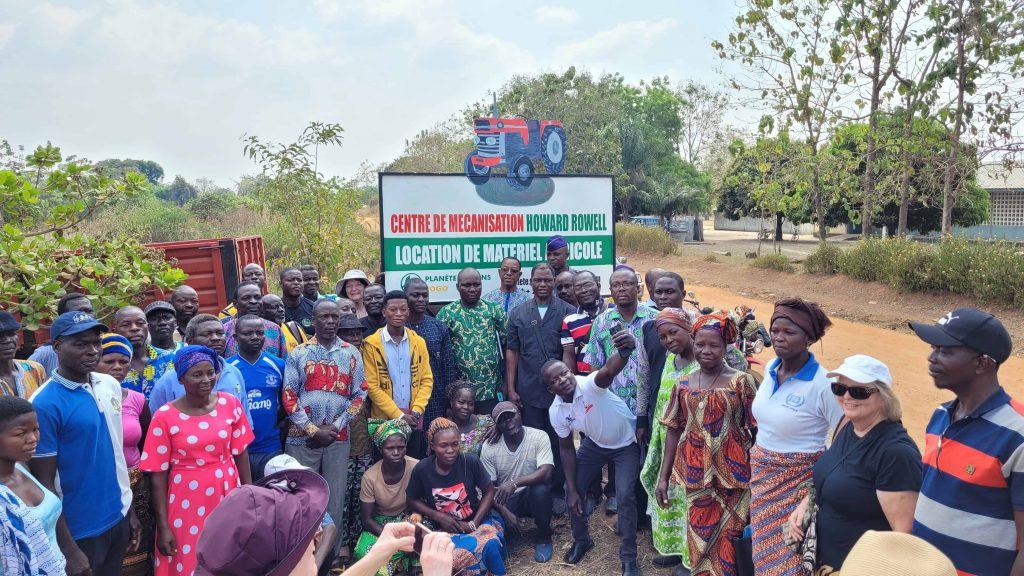
Building Leadership in the Farm Community: The Howard Rowell Center for Mechanization and Farm Support
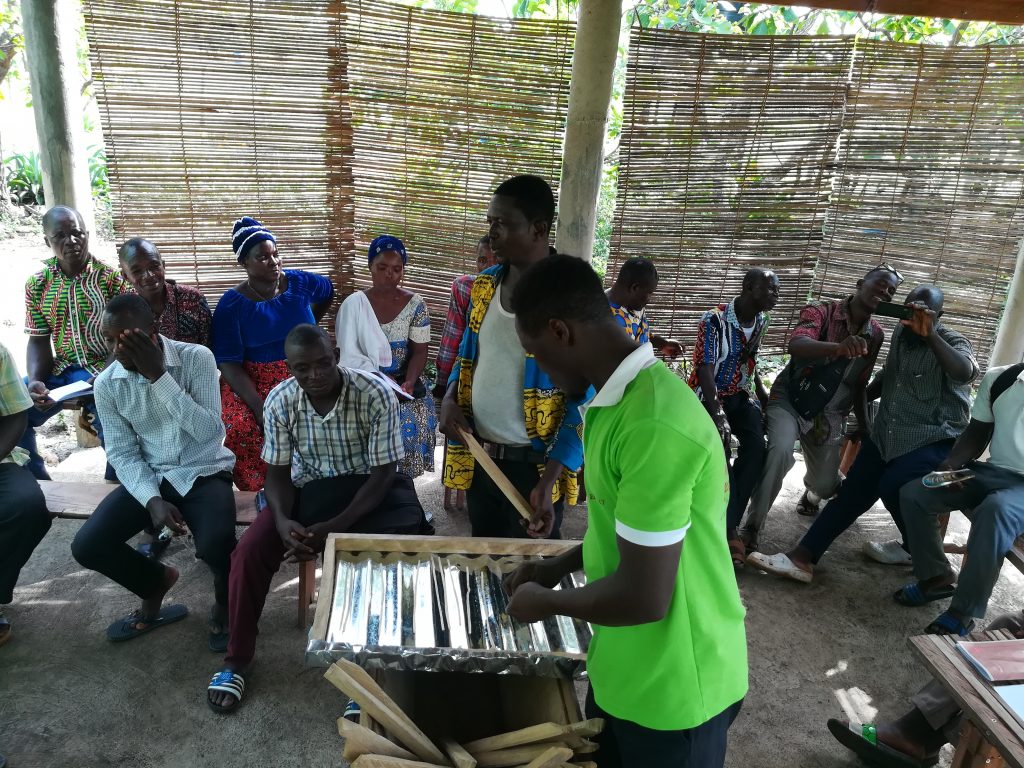
This Center goes beyond simply offering mechanical answers to problems in agriculture. It is a way to work with local leaders to build a train-the-trainer approach: identify community leaders who can then share the practices learned with others. This community support center not only serves to relay messages to farmers for equipment rental (such as tractors, corn shellers, planters, etc), but also integrates other more “social” services into its operations. Films are shared teaching awareness about issues such as deforestation and beekeeping, but we also hope to, eventually, share local problems such as family planning or domestic violence issues. It is a center where people can find their place in building their community.
Neem Oil
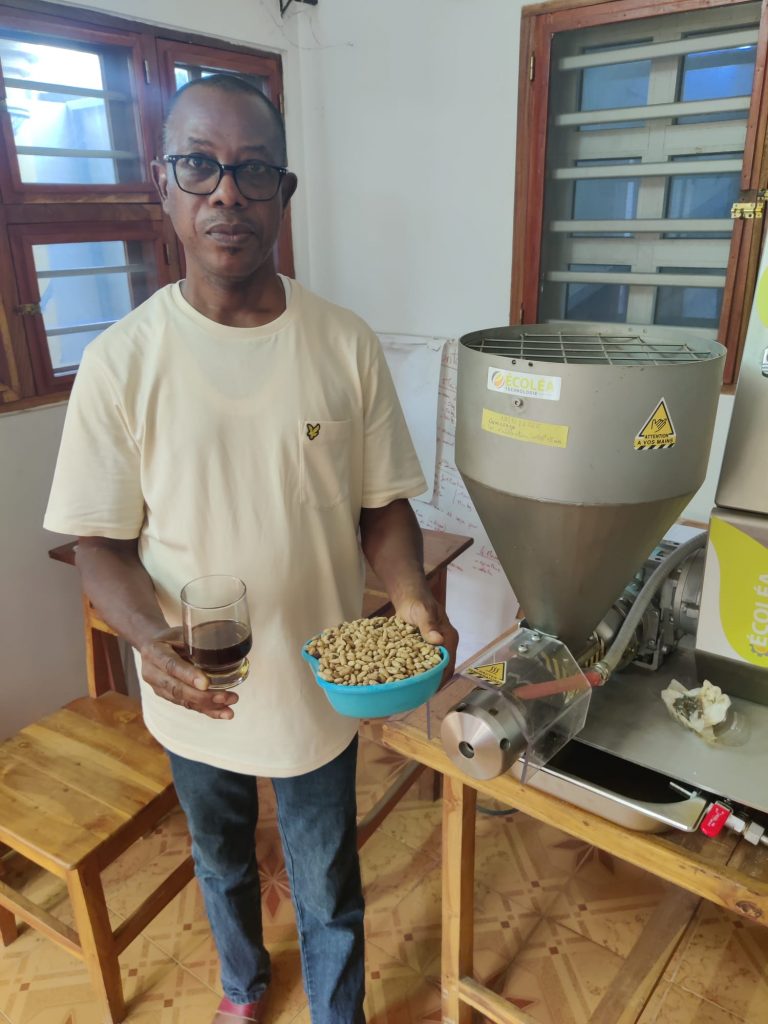
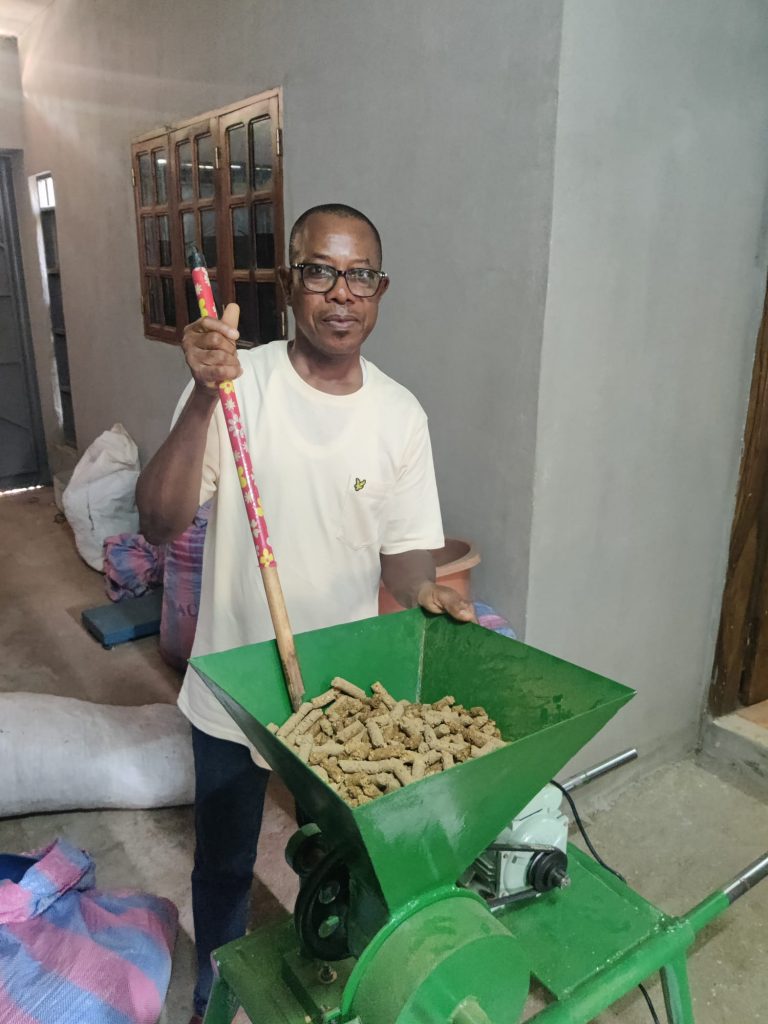
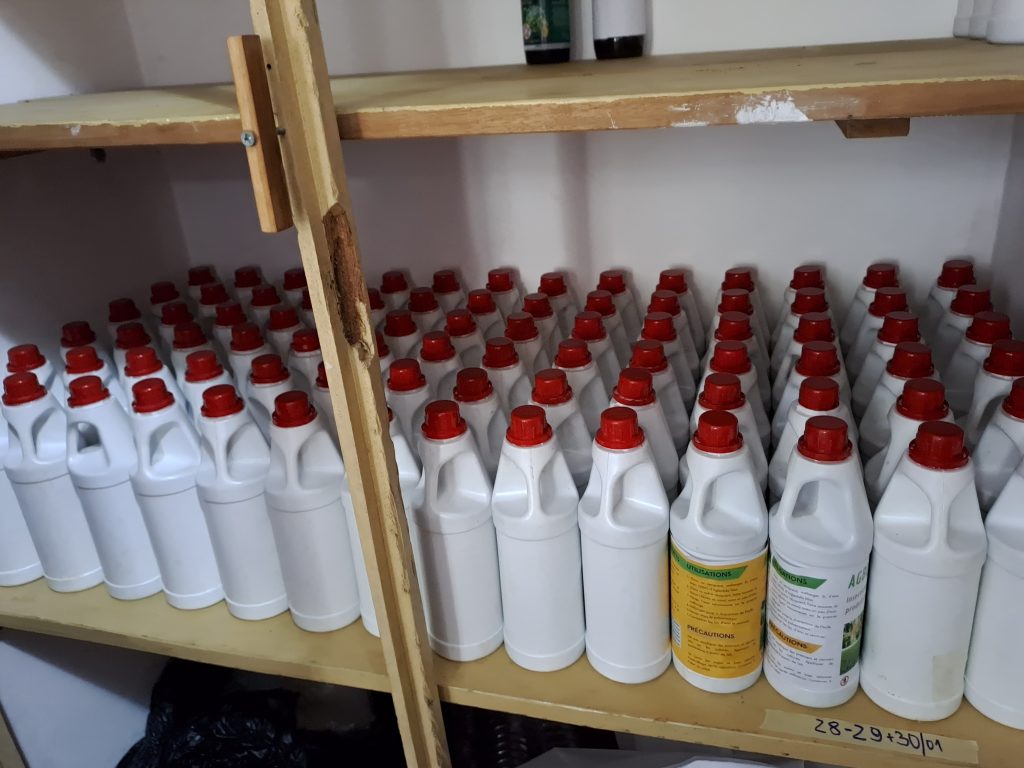
Neem oil is a vegetable oil obtained from the seeds of the neem tree. Regularly used in India as a natural insecticide, neem grows throughout Togo and offers very attractive shade. It extracts an oil that, when mixed with inputs, ensures better seed growth and halves the amount of fertilizers needed. This improves income by reducing agricultural costs. For several years, we have been testing the use of neem oil as a natural way to improve agricultural yields. The experiments conducted, particularly those implemented in 2019 with 60 farmers on more than 30 hectares, have demonstrated the effectiveness of this technique both in the fight against army worms or corn bores that destroy up to 40% of crops. It also reduces by half the doses of fertilizer used and increases yields by 20% by improving the root system of plants. We are now in the process of certifying the product in order to be able to sell it officially and expand the network. It is a product much in demand by farmers and vegetable producers.
Social Actions
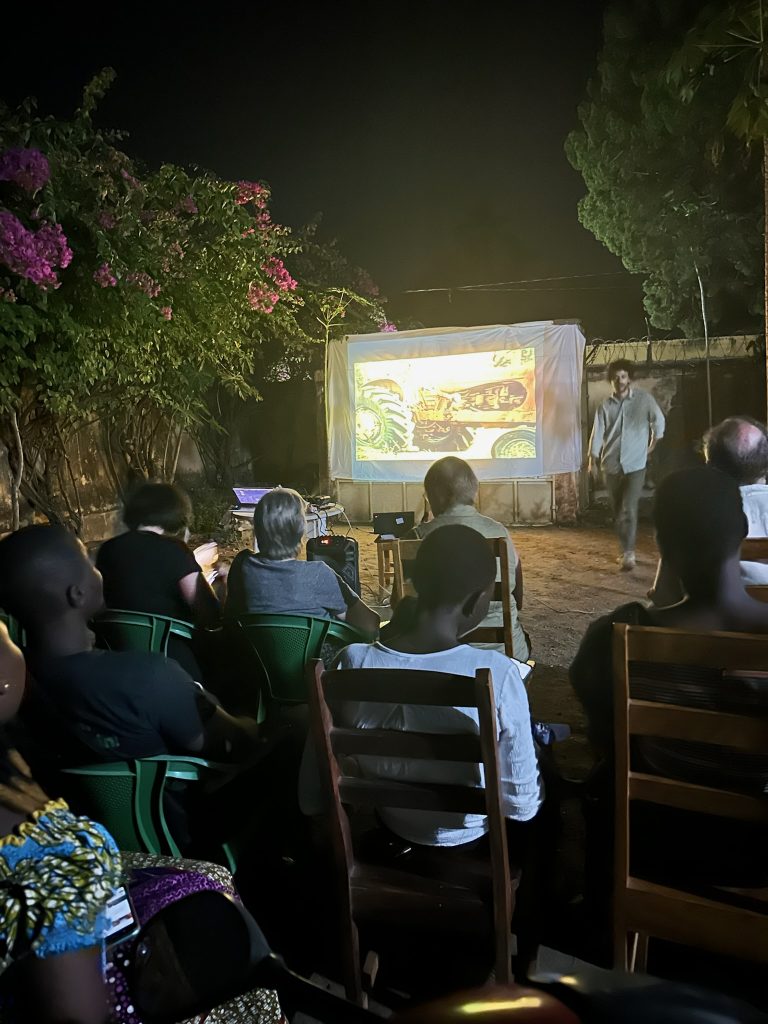
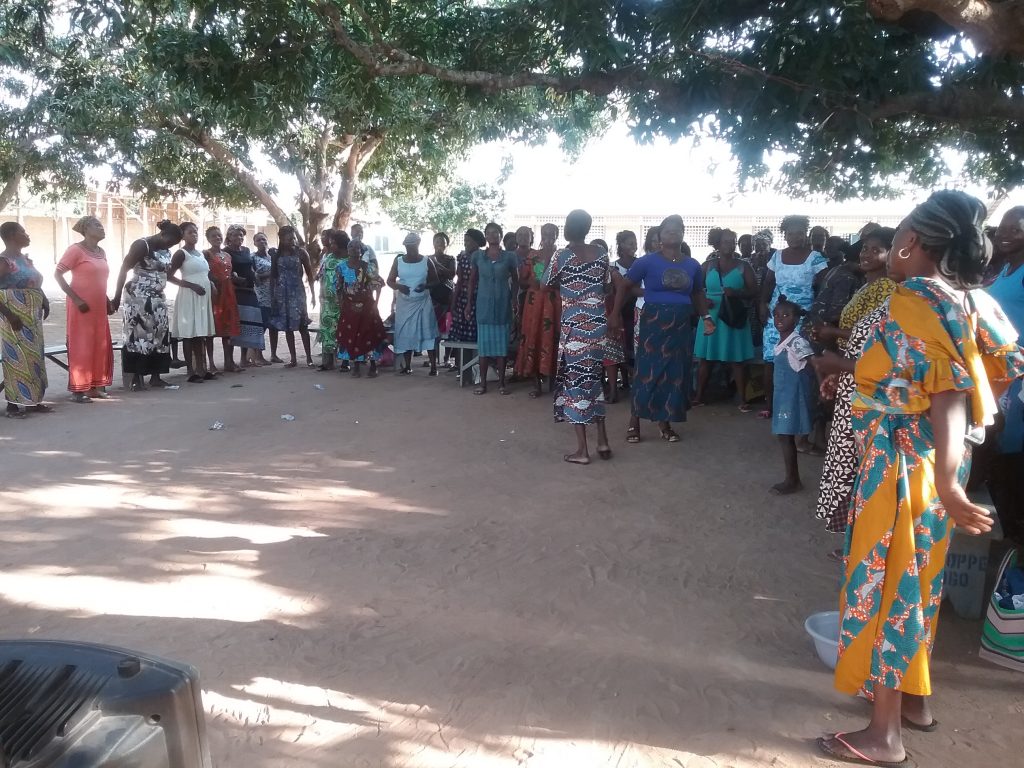
The “secret” of ECHOPPE’s success has been its rationale for integrating social services to support cost-effective solutions. In examining why people cannot advance socially despite economic support, ECHOPPE saw that issues such as healthcare (and the misunderstanding of healthcare and prevention), divorce, inheritance or domestic violence were often causes that blocked social progress. By integrating time for neighborhood group meetings in urban areas or through movies in villages, people learn how to prevent or treat malaria, how to plan families, how to manage a budget and even how to read and write their names. These are simple activities that bring people together to share their experiences and learn from each other with the support of qualified social workers.